
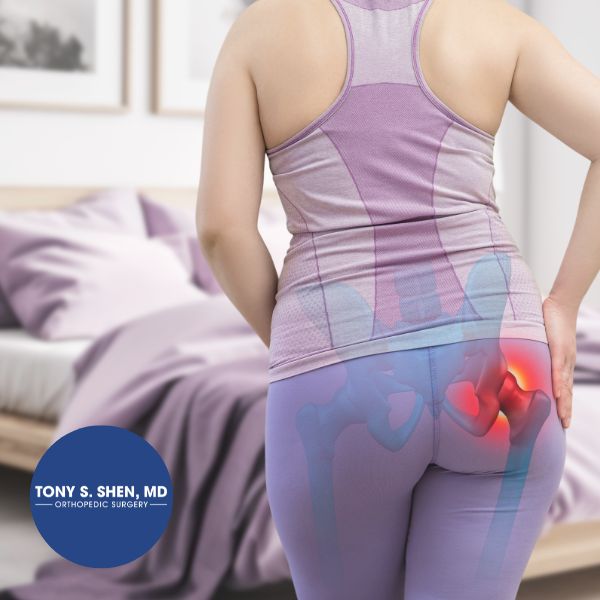
Hip replacement surgery can dramatically improve quality of life, but how smoothly you recover depends significantly on how well-prepared your home is when you return from the hospital. Most patients are discharged within one to two days and spend the critical early weeks of recovery at home, moving with restrictions and at higher risk for falls. A little preparation before surgery day goes a long way.
Dr. Tony Shen, a hip replacement surgeon in Manhattan serving patients across the New York metropolitan area and Long Island, recommends starting the process at least two to three weeks before your procedure. Here is what to focus on.
Create a Ground-Floor Recovery Space
If your bedroom is upstairs, consider setting up a temporary recovery area on the main floor for the first few weeks. Repeated stair climbing in the early days after surgery adds unnecessary strain and fall risk. Your recovery space should have a firm bed or sleeping surface at a manageable height, a chair with armrests that makes it easy to push to standing, and easy access to a bathroom, ideally without stairs in between. Keep essentials like water, medications, and your phone within reach of where you will be resting.
Remove Fall Hazards
Falls are the most serious risk during early recovery from hip replacement. Before surgery, do a thorough walk-through of your home and address the most common hazards:
- Remove all loose rugs, throw rugs, and bath mats; these are among the leading causes of post-surgical falls.
- Clear walking paths between the rooms you will use most, removing cords, shoes, pet items, and anything on the floor.
- Add nightlights to hallways and the bathroom for safe nighttime navigation.
- Check that stair handrails are firmly secured and can bear full body weight.
Prepare the Bathroom
The bathroom requires specific attention. A few targeted modifications make a significant difference in both safety and independence during recovery:
- Raised toilet seat: Reduces the hip flexion required to sit and stand, making toileting safer and more comfortable in the early weeks.
- Grab bars: Install secure, weight-bearing bars near the toilet, and inside the shower; towel bars are not a substitute.
- Shower chair and handheld showerhead: Allows you to bathe seated, removing the risk of prolonged standing on a fatigued, healing hip.
- Non-slip mat inside the shower: A suction-backed mat reduces slip risk on wet surfaces.
Gather Your Recovery Equipment
Several assistive devices are standard for hip replacement recovery and should be in your home before you are discharged. Confirm with your surgical team which items are covered by insurance and which you will need to source independently:
- Walker or crutches for ambulation in the early weeks
- Reacher/grabber tool to pick up items and manage tasks without bending past your hip restrictions
- Long-handled shoehorn and sock aid for dressing independently without excessive hip flexion.
- Ice packs or a cold therapy wrap for managing swelling
- Filled prescriptions, including any pain medications and stool softeners, were ready before discharge.
Make the Kitchen and Common Areas Practical
Move frequently used items, dishes, glasses, food, medications, to a counter height so you are not reaching overhead or crouching. Stock easy-to-prepare meals for the first week or two. A small rolling cart or walker tray allows you to carry items hands-free while using your assistive device. Clear the kitchen floor of any rugs or obstacles the same way you would the rest of the home.
Arrange for Help
Plan to have someone available during the first week or two after surgery to drive to follow-up appointments and physical therapy, help with meals and household tasks, and provide general support during the period when medication effects and fatigue are strongest. If family or friends are not available for the full recovery window, discuss alternatives with your surgical team in advance, including whether a short stay at a rehabilitation facility may be appropriate.
Preparing for Surgery With the Right Team Behind You
At Dr. Tony Shen’s practice, patients receive thorough preoperative guidance covering everything from what to expect on surgery day to how to set up their home for a safe return. As a hip replacement surgeon in Manhattan with patients throughout New York and Long Island, Dr. Shen is committed to making sure you feel genuinely ready, not just for the procedure, but for the recovery that follows.
Contact Dr. Tony Shen’s office today to schedule a consultation. Serving patients in Manhattan, Long Island, Nassau County, Suffolk County, and the greater New York area.


