
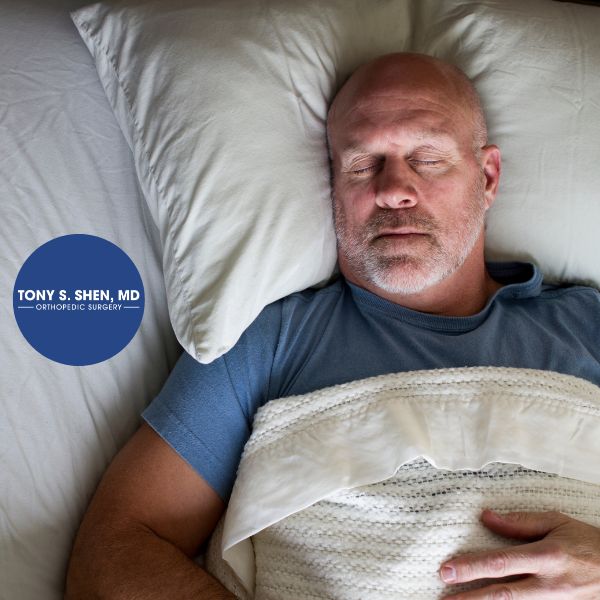
Sleep might be the most underestimated challenge of joint replacement recovery. Patients who spend weeks researching surgeons, implant options, and physical therapy plans often assume they’ll simply come home from surgery and sleep as they always have.
Then reality hits. The first night home is uncomfortable in ways they didn’t expect. Their usual sleep position feels impossible. Pain wakes them every few hours. Getting in and out of bed becomes a small ordeal. And by the second or third night, sleep deprivation compounds the physical challenges of early recovery.
This is one of the most common and most fixable problems patients face after hip or knee replacement. With realistic expectations, the right positioning strategies, and thoughtful pain management, most patients can sleep reasonably well during recovery, even in the difficult first weeks.
Dr. Tony Shen, a board-certified orthopedic surgeon at Hospital for Special Surgery, has helped thousands of patients navigate the sleep challenges that accompany joint replacement recovery. This guide covers what patients should expect, how to sleep more comfortably during recovery, and when to seek help if sleep problems persist.
Why Sleep Is Harder After Joint Replacement
Sleep disturbance after joint replacement is nearly universal in the first few weeks, but it isn’t random. Several specific factors contribute to poor sleep in the early recovery period.
Pain and discomfort. Even with excellent pain management, some level of discomfort is normal during the first several weeks. That discomfort is often at its worst at night, when there’s less distraction, and the body’s inflammatory cycle typically peaks.
Position limitations. Patients accustomed to sleeping on their side or stomach may not be able to do so safely, particularly after a hip replacement. The forced switch to back sleeping is challenging for many people.
Inflammation and swelling. The natural inflammatory response peaks in the evening and overnight, contributing to increased stiffness and pressure that can disrupt sleep.
Medications. Pain medications, particularly opioids, disrupt sleep architecture — meaning even when patients sleep, the quality is often poorer. Some patients experience vivid dreams, night sweats, or restless sleep from medications.
Reduced daytime activity. With limited mobility during recovery, patients often nap more during the day, disrupting the normal sleep-wake cycle.
Anxiety. Post-surgical anxiety is common. Concerns about dislocation, healing progress, or “am I doing this right?” can keep the mind racing at night.
Physical logistics. Getting up to use the bathroom, taking medications on schedule, and adjusting position all interrupt sleep more than usual.
Understanding these factors helps normalize the experience; sleep disruption isn’t a sign that something is wrong. It’s a predictable part of the recovery process that improves week by week.
What to Expect Week by Week
Sleep improves gradually throughout recovery. Here’s a realistic framework of what most patients experience:
Week 1: The Toughest Stretch
The first week home is typically the hardest for sleep. Patients often sleep in short stretches — 2-4 hours at a time — waking for medications, discomfort, or to use the bathroom. Total nightly sleep may drop to 4-6 hours for many patients. Daytime napping is common and expected.
Week 2: Beginning to Improve
Some patients notice their first “good night” during week two, a stretch of 5-6 hours with less waking. Pain typically peaks and then begins to decrease around this point, which helps significantly. Daytime activity increases, which supports better nighttime sleep.
Weeks 3-4: Meaningful Progress
By this stage, most patients can sleep 6-7 hours with fewer interruptions. The intensity of pain has dropped significantly for most patients, and the body has begun to adapt to modified sleep positions. Some patients are able to transition off nighttime pain medications during this period.
Weeks 5-8: Approaching Normal
Sleep patterns typically approach normal by weeks 5-8. Patients who were side sleepers may still find certain positions uncomfortable, but overall sleep quality is much closer to the pre-surgery baseline.
Months 2-6: Full Recovery of Sleep Quality
Most patients report that sleep quality returns to normal or improves within 2-3 months. Many patients whose sleep was disrupted for years by joint pain report that their sleep has actually improved compared to their pre-surgery baseline.
Sleep Positions After Knee Replacement
Knee replacement patients have greater sleep-position flexibility than hip replacement patients, but there are still important considerations.
Back Sleeping (Recommended for Early Recovery)
Back sleeping is the safest and most comfortable position for most knee replacement patients in the first few weeks. Key elements of a good back-sleeping setup:
- Small pillow or rolled towel under the ankle to slightly elevate the operated leg, which reduces swelling.
- Avoid placing a pillow directly under the knee — this can cause the knee to bend, leading to a loss of full extension, a critical recovery goal.
- A pillow between the legs can be helpful if the operated knee tends to fall inward.
- Slight upper-body elevation with an extra pillow can improve overall comfort.
Side Sleeping After Knee Replacement
Most surgeons allow side sleeping fairly early after knee replacement, often within the first 1-2 weeks, as long as it’s comfortable. Guidelines:
- A pillow between the knees is essential for maintaining proper alignment and reducing pressure on the operated joint.
- Sleeping on the non-operated side is usually more comfortable for the first several weeks.
- Sleeping on the operated side is typically possible after 4-6 weeks, once the incision has healed and swelling has decreased.
- Avoid twisting the operated leg while getting into the side position.
Stomach Sleeping After Knee Replacement
Sleeping on your stomach is generally discouraged for the first 6-8 weeks after knee replacement. Once the incision has fully healed and the range of motion is well established, many patients can return to sleeping on their stomachs — though some find it permanently uncomfortable and don’t return to it.
Sleep Positions After Hip Replacement
Hip replacement patients face more restrictive sleep position guidelines than knee replacement patients, particularly during the first 6-12 weeks. The specific restrictions depend on the surgical approach used.
Posterior Approach Hip Replacement
Patients whose hip replacement was performed via the posterior approach need to follow strict “hip precautions” for approximately 6-12 weeks to reduce the risk of dislocation. Key sleep guidelines:
- Back sleeping is safest in the early recovery period.
- A pillow between the knees is essential if any side sleeping is attempted.
- Do not bend the operated hip more than 90 degrees.
- Do not cross the operated leg over the body’s midline.
- Do not rotate the leg inward (internal rotation)
- Side sleeping is typically permitted only on the non-operated side with a pillow between the knees for support.
Anterior Approach Hip Replacement
The anterior approach has fewer restrictive precautions because the surgery is performed without cutting through the major muscles that stabilize the joint. Sleep guidelines are typically less restrictive:
- Back sleeping remains the most comfortable option for the first several weeks.
- Side sleeping on the non-operated side is generally acceptable early, with a pillow between the knees.
- Side sleeping on the operated side can often be resumed within a few weeks as comfort permits.
- Stomach sleeping may be permitted earlier than with posterior approach patients.
Patients should always follow the specific guidelines provided by their surgical team, as recommendations vary depending on the individual case and surgical approach.
The Essential Sleep Equipment Toolkit
Setting up the right sleep environment before surgery makes a significant difference. Recommended items to have ready:
Pillows:
- 4-6 extra pillows for positioning
- A wedge pillow or bed wedge for slight upper-body elevation
- A body pillow (particularly useful for side sleepers)
- A small pillow specifically for placing under the ankle
Bed accessibility:
- Ensure the bed is at a reasonable height (not too low — getting up should be manageable)
- A firm mattress is generally easier to move on than a very soft one.
- Consider adding a bed rail or grab bar for safer transfers if needed.
- A bedside commode may be helpful for the first week if the bathroom isn’t nearby.
Bedroom environment:
- Nightlight for safe bathroom trips
- Water and medications within arm’s reach
- Phone or emergency button accessible
- Cool room temperature (65-68°F) to help with sleep quality
- Consider blackout curtains if daytime napping is planned.
Practical items:
- Ice packs or a cold therapy machine (icing before bed reduces overnight swelling)
- Compression stockings (as directed by the surgical team)
- Loose, comfortable sleepwear that’s easy to get in and out of
- A reacher/grabber to pick up dropped items without bending
Pain Management Strategies for Better Sleep
Nighttime pain management is one of the biggest factors in sleep quality during recovery. Several strategies can help.
Medication Timing
Rather than taking pain medications only when pain flares, schedule doses so they’re active during sleep to significantly improve rest. Common strategies include:
- Taking a scheduled dose 30-60 minutes before bed
- Setting alarms for middle-of-the-night doses during the first week if prescribed
- Following the surgical team’s specific medication schedule closely
Medication decisions should always be made in consultation with the surgical team, not adjusted independently.
Ice Before Bed
Icing the operated joint for 15-20 minutes shortly before bed can significantly reduce overnight inflammation and pain. A cold therapy machine that circulates cold water is often more comfortable and consistent than traditional ice packs.
Elevation
Elevating the operated leg during the day and slightly during sleep helps control swelling that contributes to pain. Even a small amount of elevation can make a meaningful difference.
Movement Before Sleep
Gentle range-of-motion exercises 30-60 minutes before bed can reduce nighttime stiffness. This isn’t about a workout — it’s about preventing the joint from becoming rigid overnight.
Avoid Sleep Disruptors
- Limit caffeine after early afternoon.
- Limit alcohol, which disrupts sleep architecture.
- Reduce screen time in the hour before bed — the blue light delays melatonin release.
- Keep the bedroom cool and dark.
When to Ask About Sleep Medication
For patients whose sleep is severely disrupted despite good positioning and pain management, some surgical teams may prescribe short-term sleep aids. This is a conversation to have with the surgeon — never take sleep medications (over-the-counter or otherwise) without discussing them first with the surgical team.
Practical Techniques for Getting In and Out of Bed
The physical process of getting into and out of bed becomes a real challenge in the first few weeks. Here’s the safest approach:
Getting Into Bed
- Sit on the edge of the bed near where the pillow will be positioned.
- Scoot back until you are sitting near the center of the mattress.
- Support the operated leg with the non-operated leg or by using hands (or a caregiver’s help)
- Slowly lower the upper body backward while lifting both legs onto the bed.
- Slide toward the middle and get into position.
Getting Out of Bed
- Slide toward the edge of the bed on the non-operated side.
- Lower the legs to the floor first (keeping them together)
- Use the arms to push up to a sitting position.
- Sit briefly on the edge of the bed to make sure your balance is stable.
- Use a walker or cane to stand carefully.
For Hip Replacement Patients (Posterior Approach)
Getting in and out of bed requires additional care to maintain hip precautions:
- Keep knees together when swinging legs.
- Avoid crossing legs
- Consider having a caregiver assist with lifting the operated leg during the first week.
Nighttime Bathroom Trips
Most patients need to use the bathroom at least once (often more) during the night in the first few weeks. This requires preparation:
- Plan the path — ensure a clear, well-lit route with no obstacles.
- Keep the walker or cane right next to the bed.
- Take time transitioning — sit on the edge of the bed for 30 seconds before standing to reduce dizziness.
- Wear grippy socks or slippers with good traction.
Falls during nighttime bathroom trips are one of the most common early recovery complications. Careful preparation prevents them.
When to Contact the Surgical Team About Sleep Issues
Some sleep disruption is expected. But certain patterns warrant a call to the surgical team:
- Severe pain that isn’t controlled by prescribed medications
- Increasing pain rather than gradual improvement — new or worsening pain in weeks 2-4 should be evaluated.
- Signs of infection — significant fever, chills, or dramatically increased warmth/redness at the incision site
- Calf pain, swelling, or shortness of breath — these can be signs of a blood clot and require immediate medical attention.
- Persistent inability to sleep despite following all recommendations
- Extreme anxiety or depression affecting sleep — mental health support is available and often very helpful during recovery.
Common Sleep Questions and Concerns
Why does my knee/hip hurt more at night?
Nighttime pain has several biological explanations. Cortisol (which has natural anti-inflammatory effects) is lowest during sleep. The body’s inflammation response actually peaks overnight. Without the distraction of daytime activities, pain is more noticeable. Position changes during sleep can also aggravate the healing joint. This nighttime pain pattern is normal and improves gradually.
Is it normal to be exhausted even when I’m resting a lot?
Yes. Post-surgical recovery is metabolically demanding — the body is actively healing 24/7, which uses enormous energy. Combined with disrupted sleep, this creates a level of fatigue that many patients find surprising. This is temporary and improves as recovery progresses.
Why am I having strange dreams or nightmares?
Vivid dreams and occasional nightmares are relatively common during recovery, particularly for patients taking opioid pain medications. These typically resolve as medication is tapered. If dreams are significantly disturbing, discuss with the surgical team.
Can I sleep with a fan or a heating pad?
Most surgical teams allow fans without issue. Heating pads should be avoided directly on the incision area for the first several weeks because they can increase swelling and interfere with proper healing. Ice, not heat, is generally recommended for the operated joint during early recovery.
When Sleep Improves Beyond Baseline
Here’s what many patients don’t expect: sleep often improves after surgery. Patients whose joint pain had been disrupting their sleep for years — sometimes decades — often experience better sleep dramatically once recovery is complete.
Common patient reports at 6-12 months post-surgery:
- Sleeping through the night for the first time in years
- Reduced need for over-the-counter sleep aids
- Ability to comfortably sleep in preferred positions again (often after adjustment)
- Improved mood and daytime energy due to genuinely restorative sleep
For many patients, this improvement in sleep quality is one of the most meaningful — and least anticipated — benefits of joint replacement.
Frequently Asked Questions
How long will I have trouble sleeping after joint replacement?
Most patients experience notable sleep disruption for the first 2-4 weeks, with gradual improvement thereafter. Sleep quality typically returns to normal or near-normal by 6-8 weeks. Patients whose sleep was disrupted by joint pain before surgery often experience improved sleep compared to their pre-surgery baseline within a few months.
Is it safe to sleep on my side after a knee replacement?
Most patients can sleep on their side within 1-2 weeks after knee replacement, provided they place a pillow between their knees to maintain proper alignment. Sleeping on the non-operated side is typically more comfortable initially, with side sleeping on the operated side possible after 4-6 weeks.
Can I sleep on my side after a hip replacement?
This depends on the surgical approach. Posterior approach patients typically need to follow strict “hip precautions” that limit side sleeping for 6-12 weeks. Anterior approach patients (which is one approach Dr. Shen uses) often have fewer restrictions and can return to side sleeping earlier. Always follow the specific guidelines provided by the surgical team.
Should I take pain medication to sleep?
Timed pain medication doses that are active during sleep are appropriate as prescribed by the surgical team. Never adjust prescribed medications independently. If prescribed pain medications aren’t controlling nighttime pain, contact the surgical team rather than increasing doses on your own.
Is it okay to sleep in a recliner instead of a bed?
Many patients find that sleeping in a recliner during the first week or two is more comfortable than sleeping in bed, and this is generally acceptable — particularly during the first few nights home. However, transitioning to a bed within 1-2 weeks is typically recommended because prolonged recliner sleeping can create problems of its own (limiting hip and knee range of motion and causing back or neck pain).
Should I use ice or heat on my knee at night?
Ice is strongly preferred during the first several weeks after joint replacement. Icing 15-20 minutes before bed helps reduce overnight inflammation. Heat is generally avoided directly on the joint during early recovery as it can increase swelling.
How can I prevent falling out of bed?
Sleep in the middle of the bed rather than near the edge. Consider using a body pillow as a subtle barrier on the non-operated side. If concerned about falling, bed rails or grab bars can be added for safety.
Will I need a special mattress or bed after joint replacement?
Most patients don’t need a special mattress. A medium-firm mattress that’s easy to get in and out of works well for most patients. If the current bed is very low or very high, a temporary adjustment (such as bed risers or a lower frame) may help. Consult with an occupational therapist if bed height is a significant concern.
Ready to Discuss Your Options?
If joint pain is disrupting nightly sleep and has been worsening for months or years, it may be time for a thorough orthopedic evaluation. Chronic pain that interferes with sleep is one of the most common reasons patients ultimately pursue joint replacement — and it’s also one of the areas where patients see the most dramatic improvement after successful surgery.
Dr. Tony Shen provides comprehensive evaluations for patients considering hip or knee replacement, along with detailed guidance on what to expect throughout the entire recovery process — including sleep.
Schedule a consultation with Dr. Tony Shen. Recovery, including recovery of restful sleep, is possible. The right preparation and the right surgical team make all the difference.


